Key Takeaways
- Candid wedding photography captures genuine emotion—not staged expressions—through natural movement, conversation, and trusted photographer timing.
- A complete shot list organized by ceremony stage prevents missed moments, from bride preparation to reception farewells.
- Bengali weddings include ritual sequences (Saat Paak, Mala Bodol, Shubho Drishti, Sindoor Daan, Bidai) that each offer specific candid opportunities.
- Natural poses come from movement and interaction—walking together, private conversation, spontaneous laughter—not fixed positions.
- Preparation and communication with your photographer ahead of the day improves results more than any pose direction.
Candid Wedding Photography Poses + Shot List: The Ultimate Guide for Couples
Every couple wants their wedding photographs to feel like memories rather than advertisements. Candid wedding photography does exactly that—it documents real reactions, genuine laughter, quiet glances, and family emotion without forcing expressions or arranging bodies into rigid positions. If you are planning a Bengali, Indian, or multicultural wedding in Kolkata or beyond, this guide covers practical poses, a complete shot checklist, ritual-specific moments, and how to prepare so your photographer captures the story instead of manufacturing it.
The Birds Eye Photography has documented hundreds of weddings across Kolkata, Howrah, and West Bengal over two decades. We have learned that the best candid images come from preparation, trust, and a shared understanding of which moments matter most. This article is written for engaged couples, wedding planners, and photographers who want practical guidance—not generic inspiration—for natural wedding photography.
What Is Candid Wedding Photography?
Candid wedding photography is a documentary-style approach that prioritizes unposed, spontaneous moments over formal portraits. Rather than asking couples to hold positions or look directly at the camera, the photographer observes interactions, anticipates emotional peaks, and captures frames as they unfold naturally. The result is a visual narrative that reflects how the day actually felt—not an idealized version of it.
This differs significantly from traditional posed photography. Posed portraits have value: they provide elegant couple portraits, structured family groups, and clear record-keeping images. But they represent only a fraction of the wedding experience. Candid photography fills the space between the formal shots by documenting reactions during rituals, laughter between cousins, quiet tears during a parent’s speech, and the unguarded intimacy of a couple walking together.
The technique requires different skills. Photographers must blend into the environment, use fast, silent cameras, position themselves in anticipation rather than reaction, and understand light without disrupting the moment. At The Birds Eye Photography, our team uses a mix of wide-angle context shots for venue atmosphere and tight focal lengths for emotional close-ups—always with the goal of being present without being intrusive.
Why Candid Wedding Photography Matters
Weddings are emotional events. Family dynamics, cultural traditions, and personal history converge across hours — sometimes days — of activities. The most valuable photographs are often the ones couples did not know were being captured: a grandmother adjusting the bride’s jewelry, a father’s expression when the groom enters, and the couple sharing a private word between rituals.
Candid photography preserves these details because it does not require the subjects to perform for the lens. It respects the ceremony’s natural rhythm. For Bengali weddings specifically, where rituals carry spiritual and familial weight—from Adan Pradan to Bidai—candid coverage ensures that emotional intensity is recorded without interrupting the ritual flow.
Beyond emotion, candid images serve practical purposes. They create albums that families revisit over years, providing context for who was present, how the venue looked, and how the celebration moved from preparation through ceremony to reception. They also give couples something they rarely see themselves: genuine expressions rather than practiced poses.
Best Candid Wedding Photography Poses for Couples
Many couples ask how to “pose naturally” for candid shots. The answer is usually to stop posing entirely—but that requires guidance. Here are practical ideas that produce authentic results when combined with comfortable movement and a trusted photographer.
Walking and Moving Together
Walking side by side, with hands joined or shoulders touching, creates continuous frames that feel alive. The couple should move at their own pace—not too slow, not rushed—and allow small adjustments: adjusting hair, looking at each other, or responding naturally to surroundings. These frames work well during venue transitions, between ceremony and reception, and during outdoor exploration.
Private Conversation
Real conversation produces natural expressions. The photographer can ask the couple to talk about their first meeting, a shared memory, or something that makes them laugh. The camera captures the interaction rather than the instruction. The key is that the couple forgets the camera exists because they are genuinely engaged with each other.
Spontaneous Laughter
Laughter is the most reliable source of genuine expression. Photographers encourage this by creating comfortable conditions—not through jokes alone, but through rapport, movement, and natural interaction. A shared glance, a gentle touch, or a playful nudge often produces the best frames.
Quiet Connection
Not every candid moment needs action. A quiet forehead touch, a held hand while seated, or a soft look during a private moment can be as powerful as any movement shot. These frames work especially well during preparation, between rituals, and at the end of the day when energy has settled.
Between Ceremonies
The space between formal events—while guests are arriving, between rituals, or during a brief rest—is full of candid opportunity. Couples can relax against a wall, sit together quietly, or interact with close family members. These moments often feel more intimate than any staged portrait.
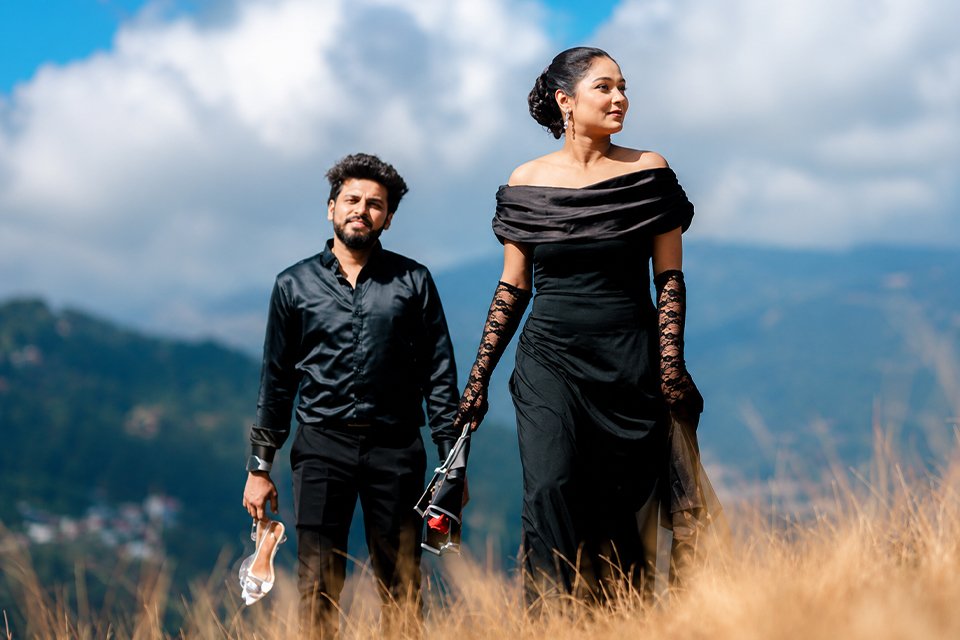
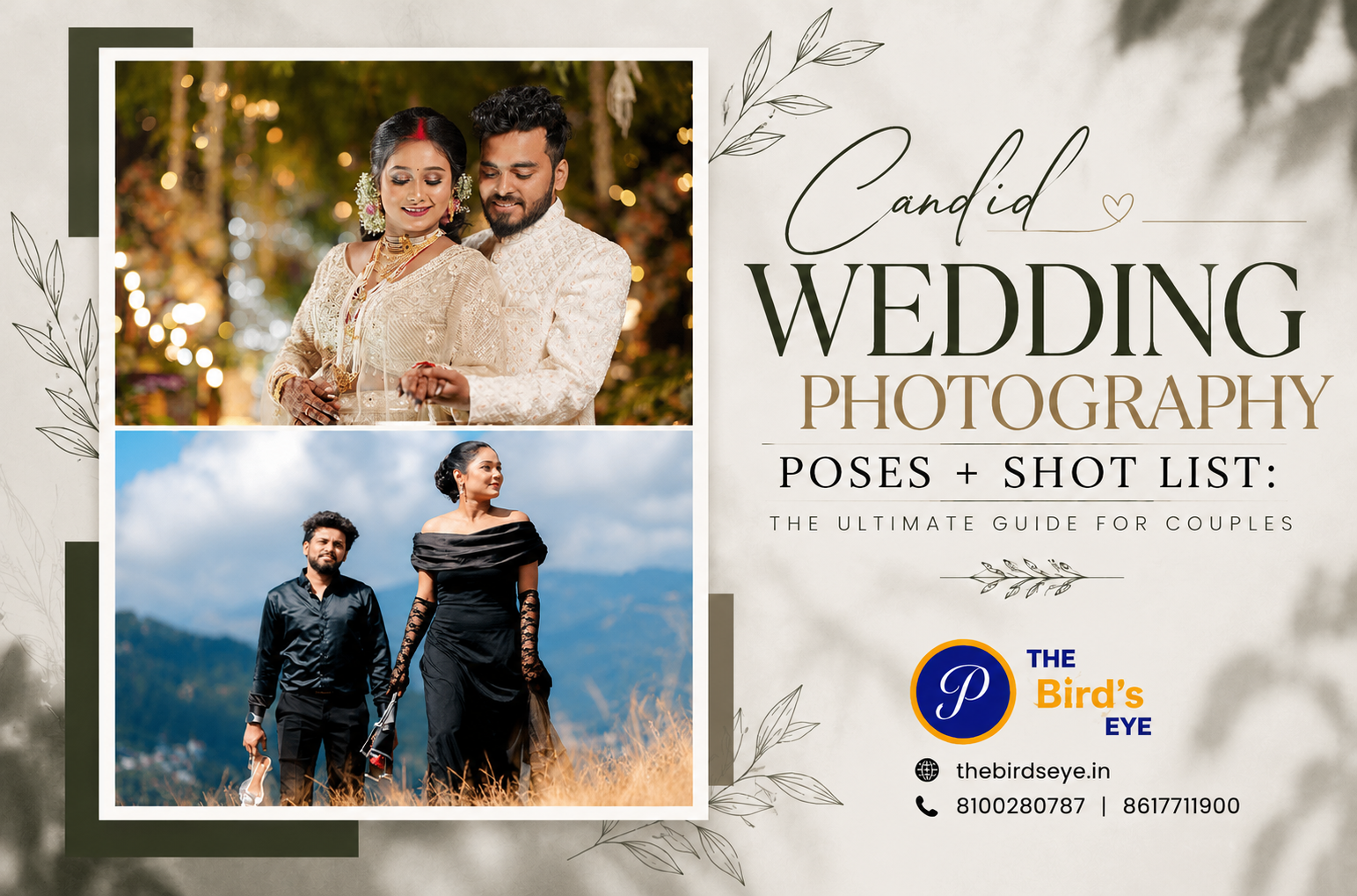
Figure 1—Natural candid couple portrait: walking together creates movement and genuine expression. Source: Arpita Mandal
Candid Wedding Photography Poses for the Bride
The bride’s preparation period is rich with candid potential. Rather than only documenting the completed look, photographers capture the process: jewelry being fastened by a parent, hair being arranged by a sister, and the emotional moment of seeing the dress for the first time.
Natural preparation moments include interaction with family members, reactions to decorations, adjusting accessories, and quiet reflection before the ceremony. These frames should not feel rushed. The photographer should observe continuously rather than interrupt for each new pose.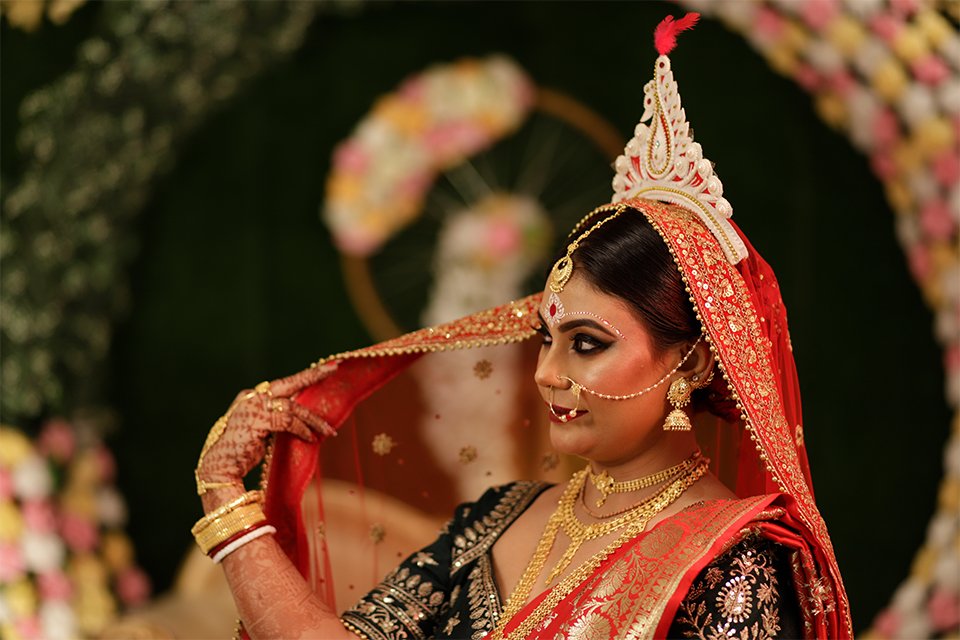
Figure 2 — Bride preparation with family: genuine interaction during getting-ready moments produces emotional documentation.
Photo by: Arpita Mandal
Candid Wedding Photography Poses for the Groom
The groom’s preparations have their own rhythm. Interaction with friends, reactions before seeing the bride, and family moments—parents adjusting a traditional outfit, siblings sharing jokes—provide authentic content. A natural portrait of the groom looking at the bride or reacting to her arrival can become one of the most powerful images of the day.
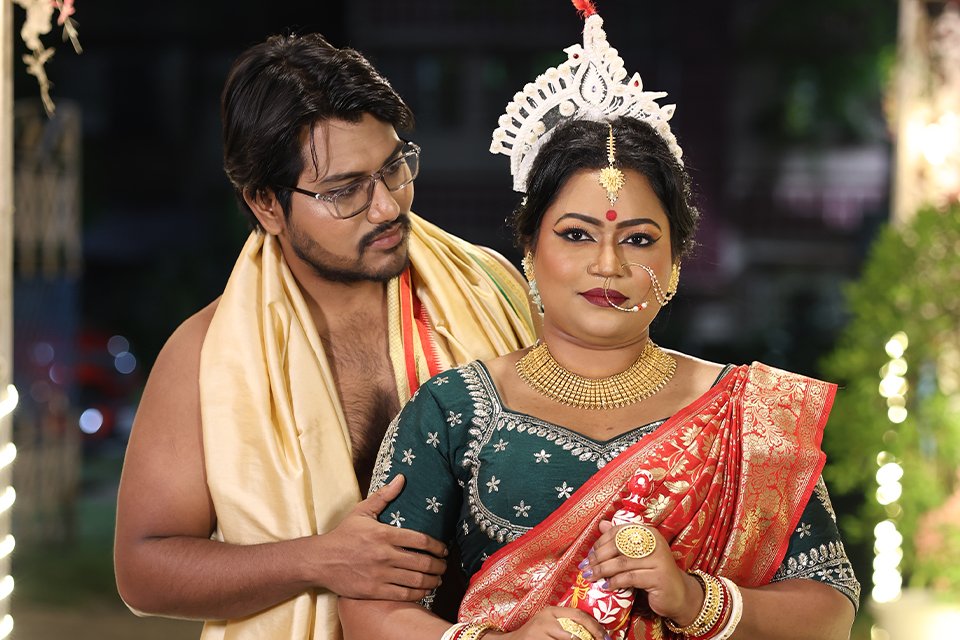
Figure 3—Groom with family: candid interaction during preparation builds emotional context for the ceremony.
Candid Wedding Photography Ideas for Bengali Weddings
Bengali weddings include rituals that carry deep cultural meaning and provide distinct photographic opportunities. It is important to note that rituals vary between families and communities—some include all of thesehers adapt or replace them. The photographer should confirm the actual ceremony schedule with the family in advance.
Aiburobhat and Family Preparations
The bride’s family prepares for the groom’s arrival—decoration, food arrangements, and emotional readiness. Candid frames include parents helping with last-minute details, relatives arriving, and the quiet anticipation before the ceremony begins.
Shubho Drishti and First Glance
Shubho Drishti—the first formal glance between bride and groom—is emotionally loaded. Photographers should capture both the ritual moment and the immediate reaction: the expressions of parents, relatives, and friends as the couple sees each other for the first time.
Mala Bodol (Garland Exchange)
The exchange of garlands is a public, celebratory moment. Photography should cover both the action—placing the garland—and the surrounding reactions. The crowd’s energy, parents’ expressions, and the couple’s interaction all matter.
Saat Paak
The bride’s ceremonial departure in seven rounds around the sacred fire is visually and emotionally significant. Candid coverage captures not just the ritual but the family members accompanying her, the groom’s position, and the emotional atmosphere.
Sampradan and Sindoor Daan
The formal giving away of the bride and the application of vermilion are intimate, often emotional moments. Close framing of hands, expressions, and family reactions—rather than wide shots alone—provides lasting emotional value.
Bidai and Departure
The bride’s departure is one of the most emotionally complex moments of a Bengali wedding. Candid photography should document the farewell—parents, siblings, relatives—without disrupting the ritual. The emotional weight of this moment makes it one of the most valuable to prepare for in advance.
Figure 4 — Bengali wedding ritual: documentary-style coverage preserves emotional context without disrupting tradition.
The Complete Candid Wedding Photography Shot List
A shot list is not a script—it is a preparation tool. It ensures important moments, people, and details are covered while allowing the photographer to remain flexible. Below is a stage-based checklist suitable for most multi-event weddings.
Before the Ceremony
- Venue atmosphere, decorations, and details
- Bride preparation — makeup, jewelry, dress, family interaction
- Groom preparation — outfit, accessories, friend and family interaction
- Parents and relatives helping with preparations
- Friends arriving, greeting, and interacting naturally
- Anticipation moments — quiet reflection, last-minute adjustments
- First look or pre-ceremony meeting, if applicable
During the Ceremony
- Venue atmosphere and guest arrivals
- Couple’s reactions upon entering or seeing each other
- Family emotions — parents, grandparents, siblings
- Important rituals — garland exchange, sindoor, vows, or equivalents
- Exchanges of glances, touches, and subtle interactions
- Genuine laughter, unexpected moments, or emotional reactions
- Wide context shots for venue and crowd atmosphere
After the Ceremony
- Congratulations, embraces, and family interactions
- Formal family photographs (as needed for records)
- Couple portraits — both natural and guided if desired
- Guest interactions — friends celebrating, relatives meeting
- Reception — seating, decorations, speech reactions
- Dance, speeches, food, and celebration
- Farewell and departure — Bidai, if applicable
Bengali Wedding Ritual Checklist (Confirm with Family)
- Adan Pradan / family introduction
- Bout-er-Boron / groom’s family welcome
- Aashirbad / blessing ceremony
- Shubho Drishti / first glance
- Mala Badal / garland exchange
- Saat Paak / seven rounds
- Sampradan / giving away
- Sindoor Daan / vermilion application
- Bou Bhat / reception dinner presence
- Bidai / bride’s departure
Because ritual timing, order, and specific practices vary by family and community, the photographer should review the actual schedule with the couple or family coordinator — not rely on a generic template. At The Birds Eye Photography, we send a planning form two weeks before the event to confirm rituals, important people, and any special sensitivities.
Figure 5 — Emotional family celebration: candid moments with relatives often become the most treasured images.
How to Look Natural in Candid Wedding Photos
Natural results come from comfort, not technique. Couples should focus on being present rather than performing. Movement — walking, talking, adjusting — produces better frames than stillness because it allows the photographer to capture multiple expressions and positions.
Trust in the photographer is essential. When couples feel they must constantly look at the camera, expressions become rigid. The best approach is to interact with each other and family members naturally, allowing the photographer to observe. Relaxed body language — open posture, gentle gestures, comfortable spacing — produces images that feel authentic.
Physical preparation also helps. Couples should avoid restrictive clothing that limits movement, plan for comfortable footwear during outdoor or venue transitions, and take short breaks between formal sequences. The more comfortable the couple feels, the less they will think about the camera.
How to Prepare a Wedding Photography Shot List
Effective shot lists are specific, not generic. Rather than writing “family photos,” specify which family members are important and whether group combinations need to be captured. For Bengali weddings, this includes extended relatives, elder family members, and community figures who may be present.
Couples should consider sensitivities: family situations that might affect comfort with group photographs, venue restrictions on flash or movement, timing constraints for rituals, and any people the couple specifically wants documented. A brief conversation with the photographer — not a long list of demands — is usually sufficient.
The best lists organize by stage (preparation, ceremony, reception) rather than by pose, allowing the photographer to work within the event’s natural flow. They also include a small number of “must-capture” moments — usually 5–10 — that are non-negotiable.
Common Candid Wedding Photography Mistakes to Avoid
Over-directing kills natural expression. If a photographer constantly asks for specific poses or tells subjects to look at the camera, the images become staged. The best photographers direct minimally — often only to suggest movement or interaction — and observe continuously.
Ignoring family reactions misses emotional depth. The couple is the focus, but parents, grandparents, siblings, and close friends are often the emotional center of the day. Photographers should track reactions continuously rather than only when the couple is the clear subject.
Poor timing is unavoidable — photographers cannot predict every emotion — but preparation reduces the risk. Knowing the ceremony schedule, identifying emotional peaks, and positioning quietly improves results significantly.
Excessive phone use during the event can distract from the experience. Couples should consider asking close family or a coordinator to manage non-essential communication so they can remain present.
Finally, unrealistic expectations cause disappointment. Candid photography captures reality — which includes imperfections, unexpected events, and unscripted reactions. Couples should understand that the best images often come from unplanned moments.
How to Choose a Candid Wedding Photographer
When selecting a photographer for candid wedding coverage, review complete wedding galleries — not only highlight images — to assess consistency, emotional storytelling, and coverage completeness. Ask how the photographer balances candid and formal coverage, how they prepare with couples, and how they handle family dynamics.
Communication style matters. A photographer who explains the process, confirms rituals in advance, and listens to the couple’s priorities is more likely to deliver results that match expectations. At The Birds Eye Photography, every wedding includes a pre-event consultation to review timelines, rituals, and important people.
Review delivery expectations clearly: image count, delivery format, editing style, album options, and turnaround time. Candid coverage typically produces a large number of images — often 800–1,500 deliverable frames — because each moment may generate multiple frames from different angles and expressions.
Frequently Asked Questions
What are the best candid wedding photography poses?
Best poses are those that involve natural movement and interaction — walking together, private conversation, spontaneous laughter, quiet connection, and reactions during rituals. The best pose is the one that feels like the couple on a normal day.
How do you pose naturally for candid wedding photos?
Stop posing. Focus on interacting with your partner, family, or surroundings. Movement — walking, adjusting, talking — produces authentic frames. Trust the photographer to observe rather than direct continuously.
What should be included in a wedding photography shot list?
A practical list includes venue details, preparation moments, ceremony rituals, family interactions, couple portraits, reception activities, and farewell moments. For Bengali weddings, include ritual-specific checklists and confirm the actual schedule with the family.
How many candid photos should be captured at a wedding?
Most multi-event weddings produce 800–1,500 deliverable images from candid and guided coverage combined. The number depends on hours of coverage, event complexity, and photographer approach.
How can couples prepare for candid wedding photography?
Prepare by discussing priorities with the photographer, confirming ritual schedules, identifying important family members, planning comfortable clothing and footwear, and committing to being present rather than performing.
What moments should a Bengali wedding photographer never miss?
Key moments include Shubho Drishti, Mala Bodol, Saat Paak, Sampradan, Sindoor Daan, family reactions during rituals, Bidai, and the emotional interactions between parents and the couple. Exact timing varies — confirm with the family.
Conclusion
Candid wedding photography is not about avoiding posed portraits — it is about ensuring that the real moments of your day are preserved with the same care as the formal ones. A practical shot list, natural interaction, and open communication with your photographer create the conditions for authentic documentation.
For Bengali weddings specifically, the richness of rituals and family dynamics makes candid coverage especially valuable. By confirming the actual ceremony schedule, preparing for emotional moments, and allowing the day to unfold naturally, couples can receive photographs that feel true to their experience.
The Birds Eye Photography specializes in candid and cinematic wedding documentation across Kolkata, Howrah, and West Bengal. Whether you need full multi-day coverage or focused ceremony documentation, we prepare for your specific rituals, important people, and the emotional rhythm of your celebration.
Ready to Plan Your Wedding Photography?
Contact The Birds Eye Photography to discuss your event, confirm ritual schedules, and prepare a custom shot list for your wedding.
Book Consultation Call: 8100280787
Explore related services: Pre-Wedding Packages · Marriage Photography Packages · Contact / Enquiry
Article published 2026-10-28. Content covers candid wedding photography poses, shot lists, Bengali wedding ritual moments, and practical preparation guidance. Images shown are representative examples from license-compatible sources; actual wedding photography delivered by The Birds Eye Photography uses the studio’s own documentation.